Understanding the Role of Welding in Sustainable Construction Feb 05, 2026
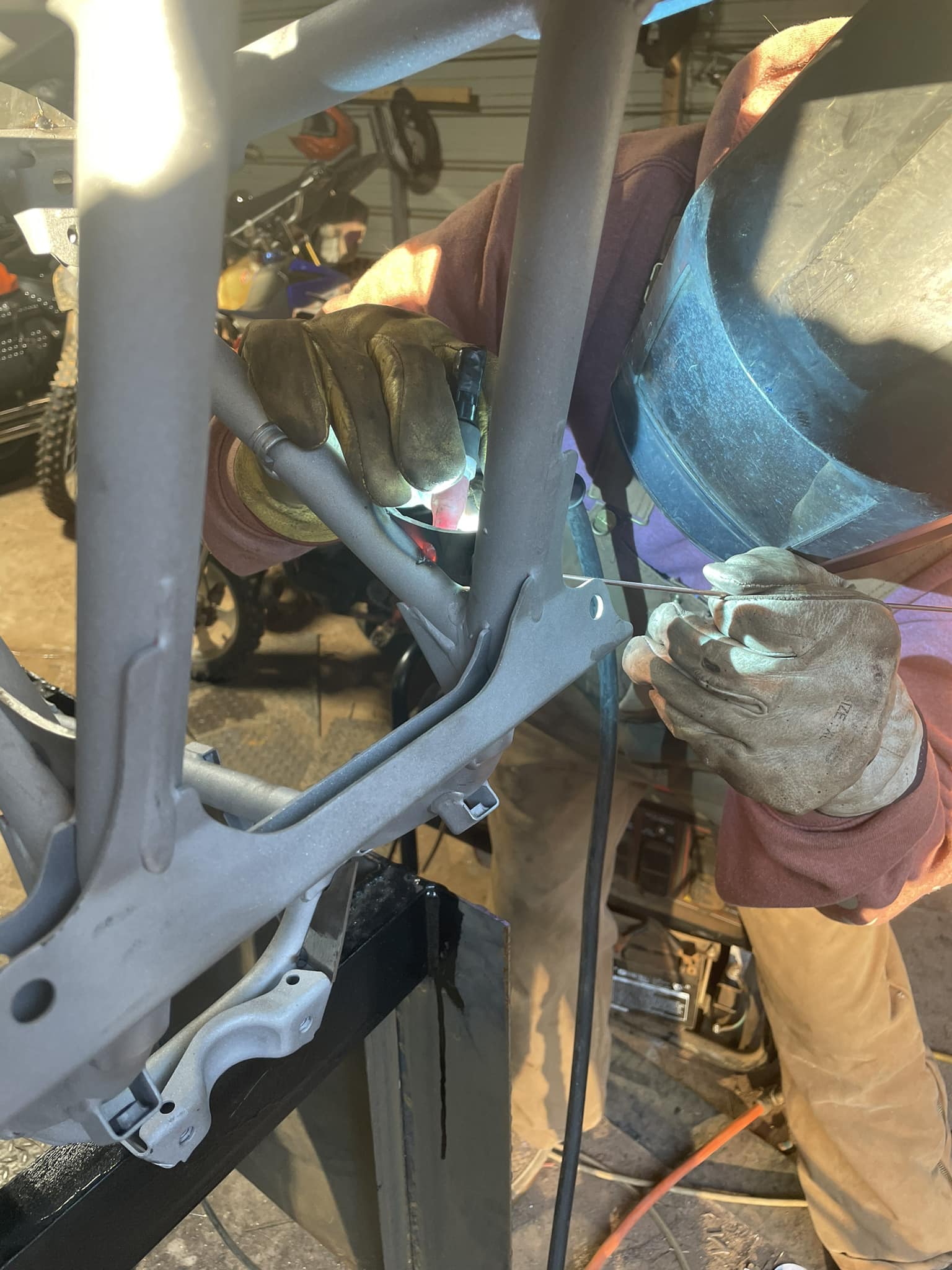
Welding involves the joining of materials, usually metals or thermoplastics, using high heat to melt the parts together, allowing them to fuse as they cool. This process is essential in constructing frameworks, bridges, and pipelines, among others. With its capability to create robust joints that can withstand various stresses, welding contributes significantly to the longevity and stability of structures.
One of the primary advantages of welding in sustainable construction is its capacity for material conservation. By fusing materials directly, welding often reduces the need for additional fasteners and excess materials. This efficiency not only cuts down on waste but also decreases the demand for raw materials, thereby conserving natural resources. In addition, the strength of welded joints means less material is needed in the structure itself, allowing for lighter and more energy-efficient designs.
Another significant benefit lies in the recycling of metals. Welded structures can be dismantled and the metal components recycled, minimizing environmental impact. This recyclability aligns well with sustainable construction practices, which emphasize the use of materials that can be repurposed at the end of their life cycle. By using techniques like arc welding and laser welding, companies like Woodruff Custom Welding LLC contribute to these green initiatives by ensuring that their welding processes align with environmental goals.
Energy efficiency is another critical aspect of welding in sustainable construction. Modern welding technologies have evolved to become more energy-efficient, reducing the carbon footprint of construction projects. For example, welding methods such as gas tungsten arc welding (GTAW) and submerged arc welding (SAW) are designed to be precision-based, requiring less energy and yielding better outcomes. These advancements mean that projects can be completed faster and with fewer resources, further enhancing sustainability.
Furthermore, welding enables the incorporation of innovative designs and materials that support sustainability. The flexibility of welding makes it ideal for working with new, sustainable materials like high-strength steel and composite materials, which can improve energy efficiency and reduce costs over the lifespan of a building. This adaptability allows architects and engineers to explore creative and sustainable design solutions that might not be feasible with traditional construction methods.
In conclusion, the role of welding in sustainable construction is both critical and transformative. By promoting the efficient use of materials, supporting recyclability, enhancing energy efficiency, and enabling innovative design, welding provides avenues for the construction industry to meet environmental goals while maintaining quality and safety. Companies like Woodruff Custom Welding LLC are at the forefront of this transformation, adopting advanced welding techniques that align with sustainable practices. As the industry continues to evolve, the integration of welding in sustainable construction promises a future in which urban development and environmental stewardship go hand in hand.
/filters:no_upscale()/filters:format(webp)/media/3a543af7-2a63-4673-922a-c7188155b41a.jpeg)
/filters:no_upscale()/filters:format(webp)/media/0ddecc31-c93e-4f48-a2f9-c558b0a2a80d.jpeg)